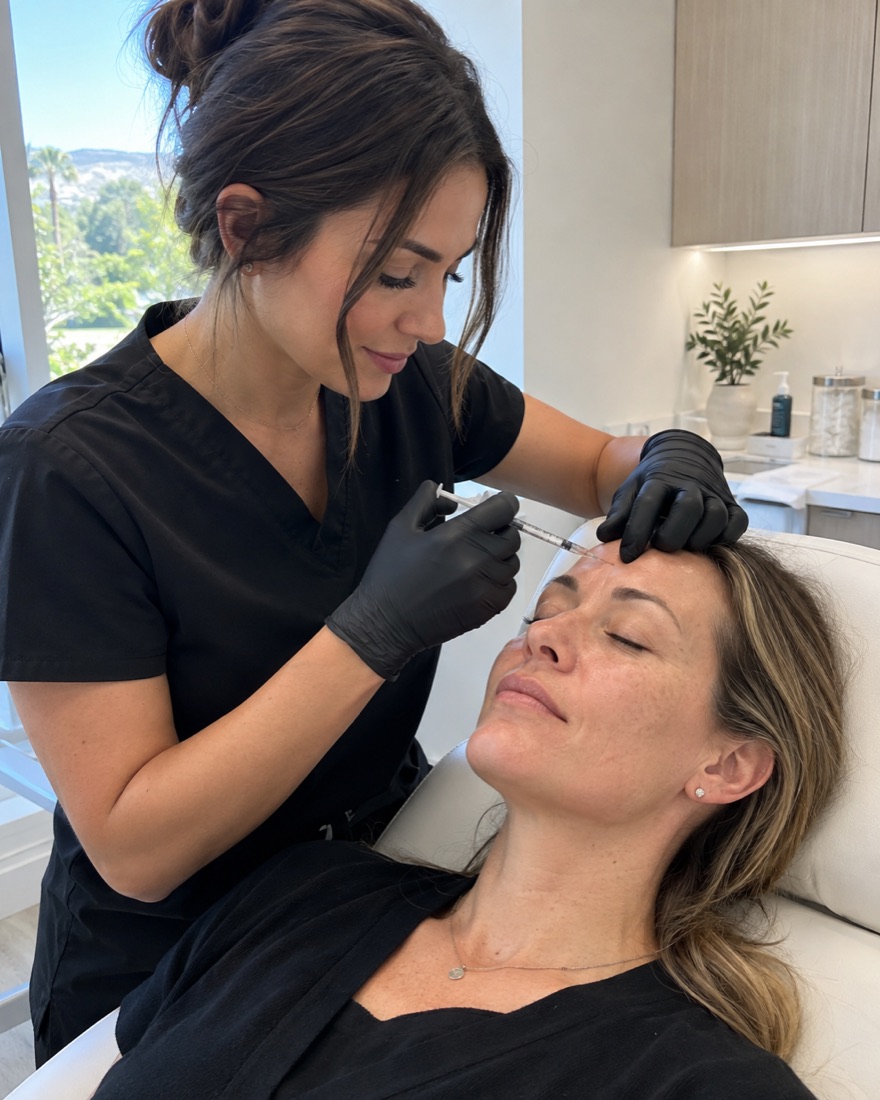
How Many Units of Botox Do I Need?
How many units of Botox do I need? Typical units for forehead, frown lines and crow's feet, what they cost in Pennsylvania, and who decides.
Botox is priced per unit, not per visit. Pennsylvania practices typically charge $10 to $25 per unit. That is a typical range, not a quote. Your price depends on the practice and on how many units your injector plans to use.
Typical units by area: forehead lines 10 to 30 units, frown lines (the 11s) 15 to 25 units, crow's feet about 12 units per side. A full upper face, meaning all three together, is often around 50 units. Most treatments land between 20 and 60 units.
To get a rough number, multiply units by price per unit. As an example, not a quote: 20 units for frown lines at $10 to $25 a unit comes to $200 to $500. A 50 unit full upper face at the same prices comes to $500 to $1,250.
For comparison, the American Society of Plastic Surgeons lists a national average of $435 per treatment. That is a physician fee average and it does not say how many units were used, so use it as a reference point, not a target.
What moves the price: the number of units, who injects (a board certified dermatologist or plastic surgeon usually charges more per unit than a nurse injector), where the practice is, and the brand. Dysport, Jeuveau and Xeomin are dosed differently from Botox. The FDA label for Botox Cosmetic says its units are not interchangeable with other products, so never compare unit counts across brands.
Watch out for a per unit price that looks far below the rest. Compare the total plan, meaning units times price, and ask whether a follow up visit is included.
Compare Botox Prices Near You
Botox is a prescription drug, and injecting it is a medical procedure. The American Academy of Dermatology warns that getting it in a non-medical setting, or buying it online, can be dangerous.
Ask the practice for your injector's full name and license type, and the name of the physician who supervises the practice. Then look both up yourself on PALS, the Pennsylvania Licensing System, at pals.pa.gov. Check that the license is active and look for any disciplinary actions listed.
A listing on this site, including ours, is not proof of a license. Always check PALS yourself before you book.
Also ask how often the injector treats the area you care about. Someone who does frown lines every day is a different hire from someone who does them once a month.
Bring these to your consult and write down the answers.
1. Which brand will you use, and how many units do you plan for each area?
2. What is the price per unit, and what is the total for my plan?
3. Is a follow up visit included? Many practices check your result after about two weeks and add a few units if needed. Ask if those units cost extra.
4. Who will inject me, what is their license, and who is the supervising physician?
5. What should I avoid before and after, and for how long? Aftercare rules vary between practices, so get theirs in writing.
6. What side effects should make me call you, and how do I reach you after hours?
7. Do you offer package or area pricing? Many practices price by area or offer packages that work out lower per unit.
Find Botox Providers in Your Town
Cleveland Clinic advises giving your provider a current list of every medication and supplement you take. Blood thinners and anti-inflammatory pain relievers such as ibuprofen can raise the chance of bruising. Do not stop a prescribed medicine on your own. Ask your prescribing doctor first.
Cleveland Clinic also says you should not get this treatment if you are pregnant or breastfeeding, or if you have a neuromuscular disease, drooping eyelids or weak facial muscles. Tell your injector about any of these, and about any past reaction to a botulinum toxin product.
Cleveland Clinic suggests not drinking alcohol for 24 hours before your appointment.
This is general education, not medical advice. Your provider decides whether Botox is right for you.
Your written list of medications and supplements.
Your consult notes: brand, units per area, total price, follow up policy.
Clean skin if you can. Ask the practice whether to arrive without makeup.
A photo ID and a payment method. Ask ahead whether they take deposits or have a cancellation fee.
Plan your next 24 hours: no hard workout, no facial, no tight hat or headband pressing on the treated area.
Arrive a few minutes early for paperwork and photos. Many practices take before photos so you can compare at your follow up.
Etiquette that helps: run late? Call ahead. Changed your mind about an area? Say so before the first injection, not after. Do not bring your own product.
Your injector will usually ask you to frown, raise your brows or squint so they can see which muscles to treat. They may mark the spots.
Some providers put a numbing cream or ice on the skin first. The injections themselves are quick. Cleveland Clinic simply says the procedure is over quickly, so most of your visit is the conversation before it.
You may see small bumps or spots of redness where the needle went in. These usually settle on their own. Speak up during treatment if anything feels wrong.
First 3 to 4 hours: stay upright. Cleveland Clinic advises not lying down for three to four hours.
First 12 hours: do not rub, massage or press on the treated areas. If you put makeup on, apply it gently.
First 24 hours: skip hard exercise. Advice varies here. The AAD says to wait at least two hours before strenuous exercise or heavy lifting, while Cleveland Clinic says to avoid physical exertion for 24 hours. Follow what your injector tells you.
Days 3 to 4: Cleveland Clinic says most people start to notice the effect around the third or fourth day.
Week 1: bruising, if you get any, can last about a week, according to the AAD.
Days 10 to 14: full results are usually visible by now. This is a good time for your follow up visit if your practice offers one.
Months 3 to 4: the effect usually wears off over about three to four months, and sometimes lasts longer. Book your next visit when you see movement coming back, not on a fixed date.
Common side effects are usually mild: soreness, swelling, redness or bruising where you were injected, and sometimes a headache. A temporary droopy brow or eyelid can happen but is uncommon.
The FDA label carries a warning that the toxin effect can spread beyond the injection area. Cleveland Clinic says to call a doctor immediately for vision problems, shortness of breath, trouble swallowing, slurred speech, or numbness or weakness in an area that was not treated. If you cannot breathe or swallow, call 911.
Save your injector's after hours number in your phone before you leave the office.
Write down the brand, the units for each area and the total you paid. Next time you book, you can compare practices on the same plan instead of guessing.
If you liked the result, ask your injector to note the plan in your chart so the next visit starts from it.
If you did not like the result, say so at the two week follow up. It is easier to adjust then than to wait for it to wear off.
Before every new practice, check PALS again. It takes two minutes.
How many units of Botox do I need? Typical units for forehead, frown lines and crow's feet, what they cost in Pennsylvania, and who decides.
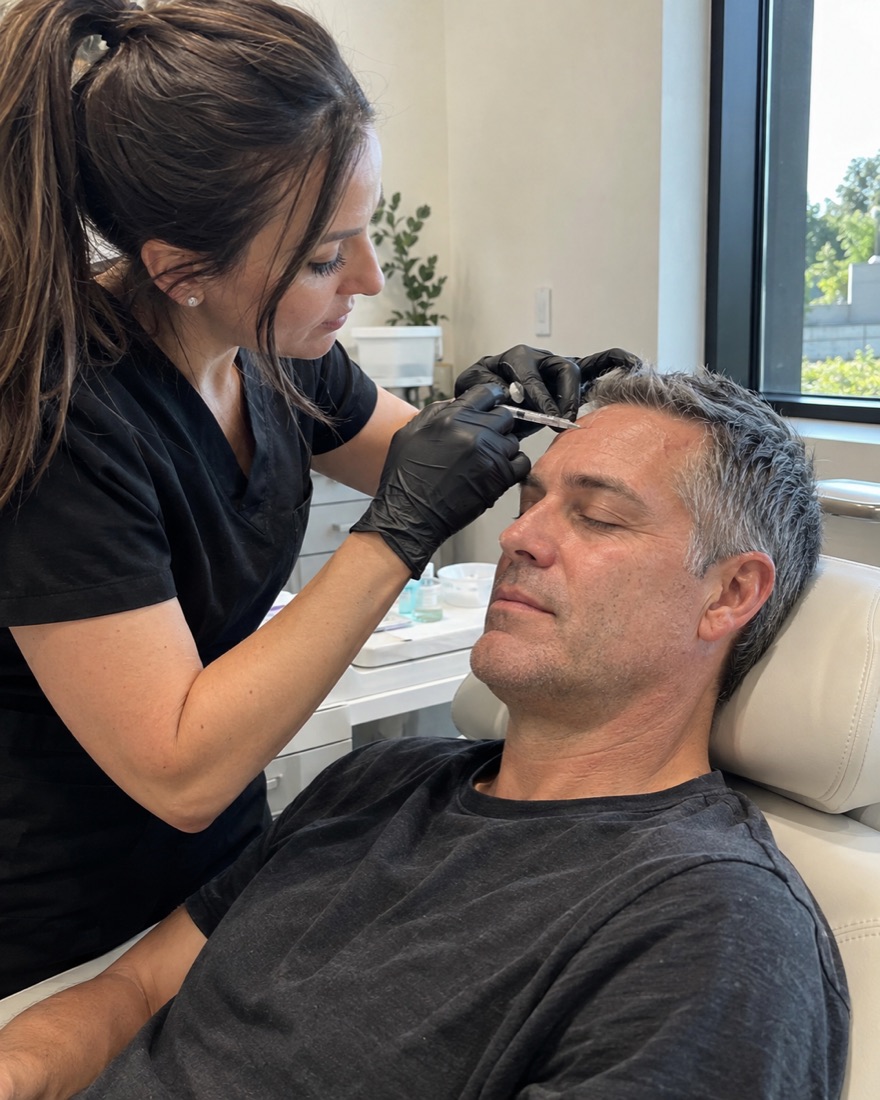
Botox is priced per unit, so the honest answer to what it costs depends on how many units you need. Pennsylvania practices typically charge between $10 and $25 per unit, and most treatments land somewhere between 20 and 60 units.
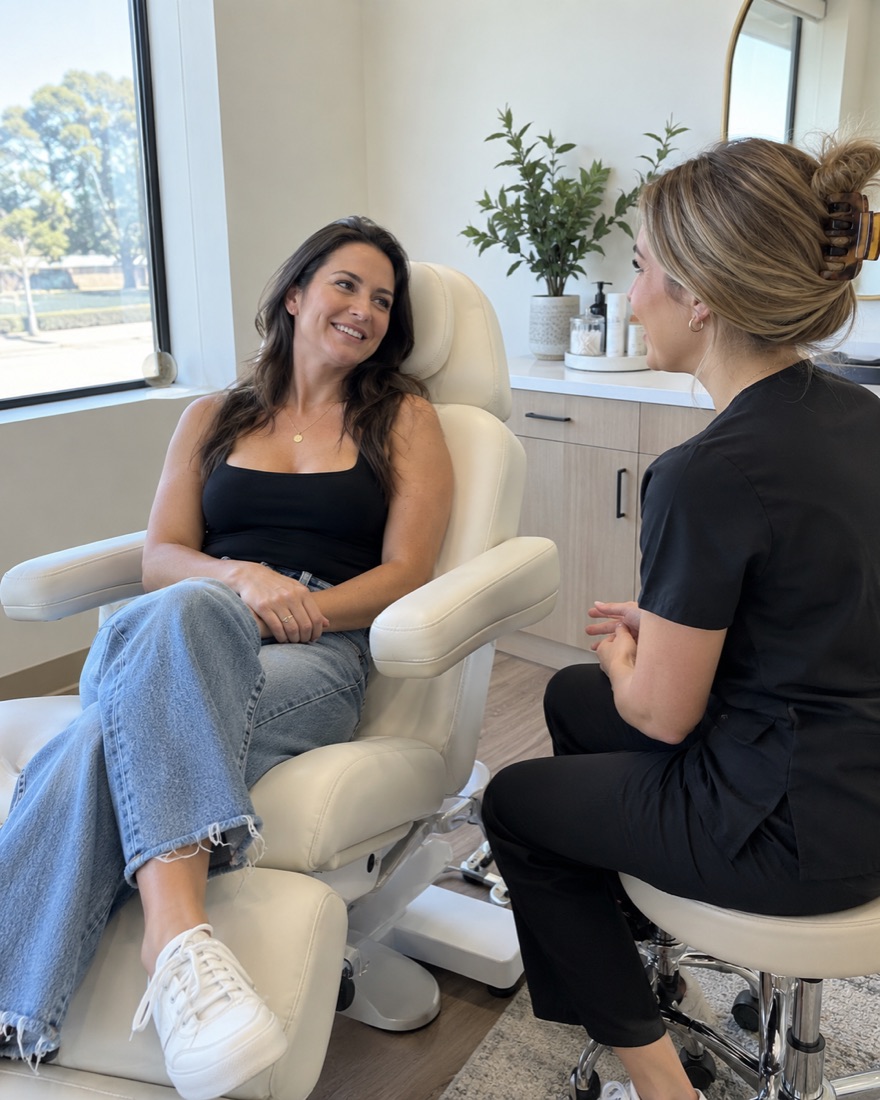
Lip filler is priced per syringe. Most Pennsylvania practices charge $550 to $1,000 a syringe, and one syringe is the normal starting point rather than the whole plan.